
Home / Common Skin Conditions
A Patient's Guide
Dr Tran manages the full range of medical and surgical skin disease. Below is a plain-language introduction to the conditions patients ask about most — what causes them, and how they're typically treated. This is general information, not a diagnosis: if something on your skin concerns you, book a consultation.
Acne affects an estimated 85% of Australians at some point, most often peaking in the teenage years due to hormonal changes — though it can persist into adulthood, appear later in life (late-onset acne), or occasionally affect younger children.
It develops when oil glands become blocked with excess sebum and shedding skin cells, forming blackheads and whiteheads. Inflammation and bacterial overgrowth can then lead to pustules, nodules and abscesses, which — if left untreated — can cause lasting scarring.
Treatment is tailored to severity and can include gentle skin care, topical retinoids and antibiotics, oral antibiotics, hormonal therapy, or — for severe, recalcitrant acne — isotretinoin (Roaccutane), which can only be prescribed by a dermatologist. Early treatment is the best defence against permanent scarring.
Before & after
Marked improvement in severe nodulocystic acne during a course of isotretinoin.
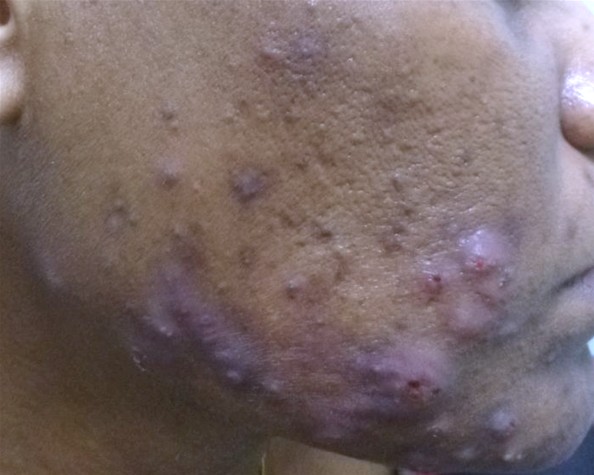
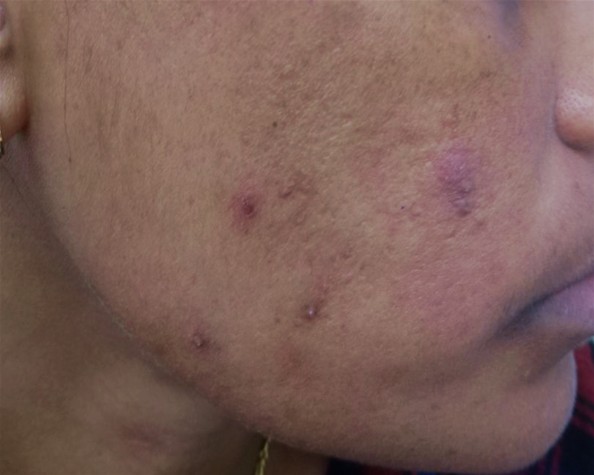
Drag to compare
Eczema is an inherited tendency towards itchy, red, dry and inflamed skin that can weep and crust. It's linked to an overactive immune response and a compromised skin barrier, and often runs in families alongside asthma and hayfever (together known as "atopy").
Flares are commonly triggered by winter dryness and long hot showers, environmental allergens (pollen, dust mite, animal dander), and irritants such as soaps, fragrances, wool and stress. Left untreated, severe eczema can become infected.
Management centres on gentle, soap-free cleansing and regular emollient use, avoiding known triggers, and topical corticosteroids to settle inflammation. Phototherapy and oral immune-modulating treatments are options for more severe or persistent disease.
Before & after
Resolution of chest dermatitis and its postinflammatory hyperpigmentation following a course of dupilumab therapy.
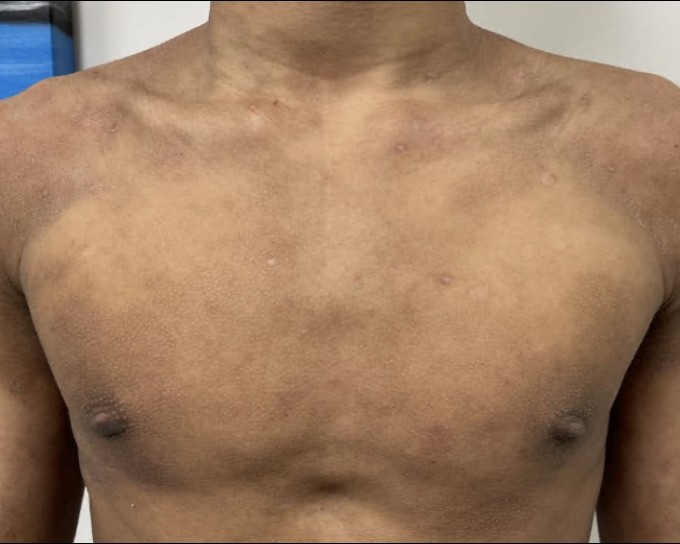
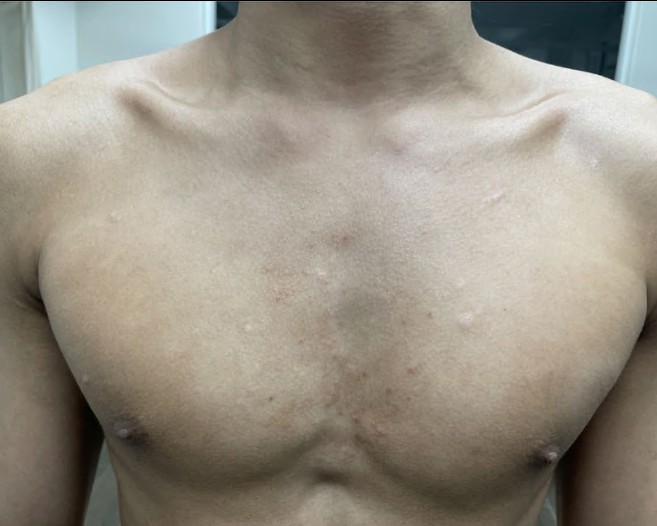
Drag to compare
Resolution of airborne contact dermatitis affecting the forehead and face following treatment.
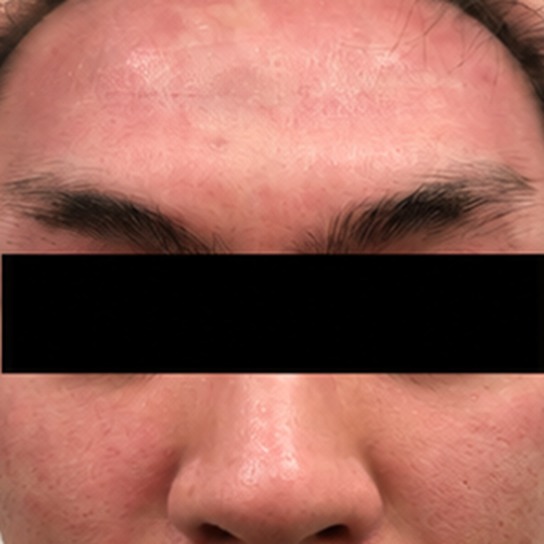
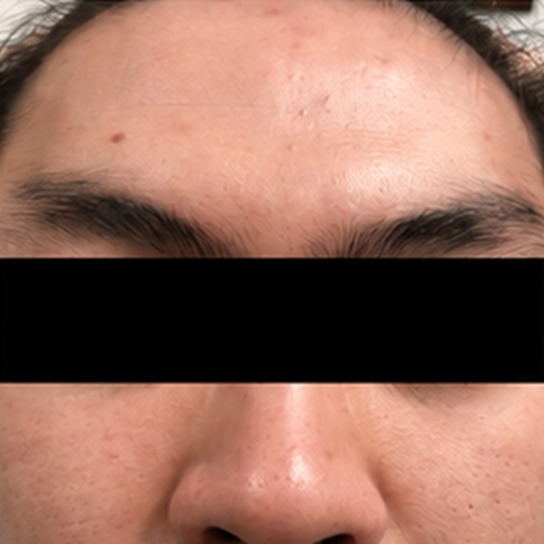
Drag to compare
Resolution of a secondary bacterial infection complicating seborrhoeic dermatitis.
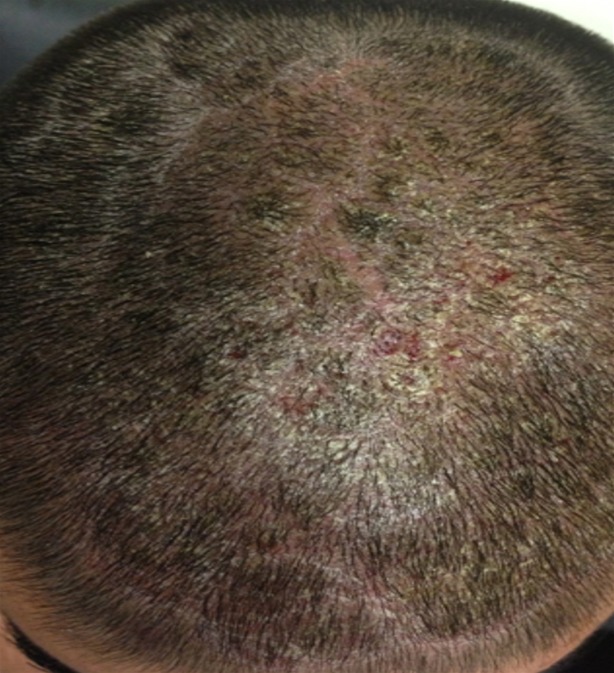
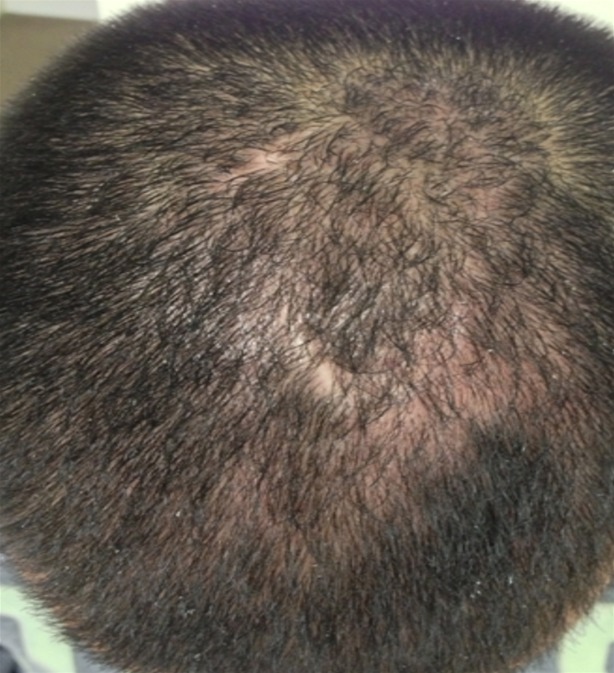
Drag to compare
Resolution of infected eczema affecting the forehead and eyebrows after treatment.
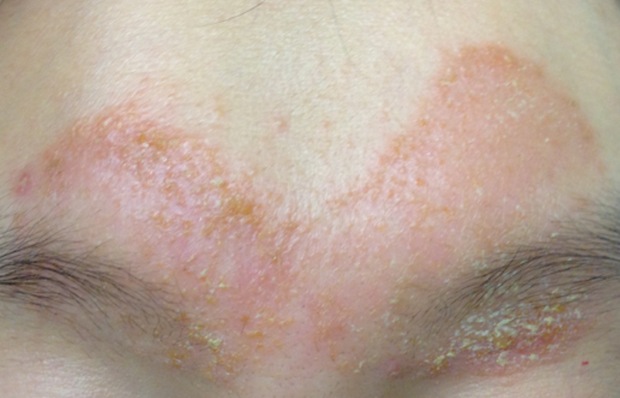
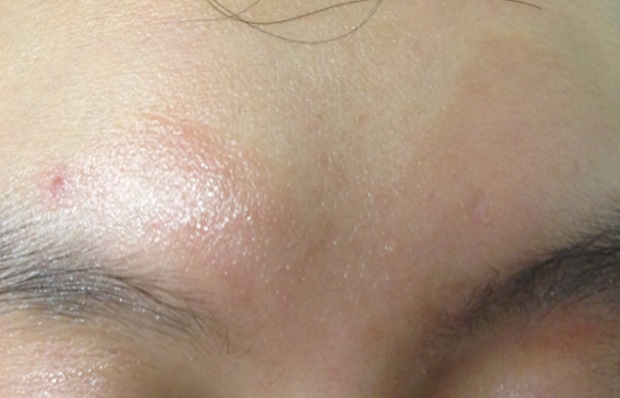
Drag to compare
Resolution of infected eczema on the cheek after treatment.
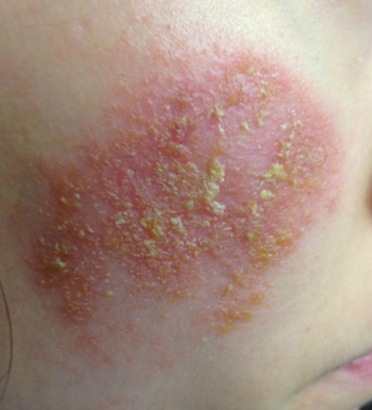
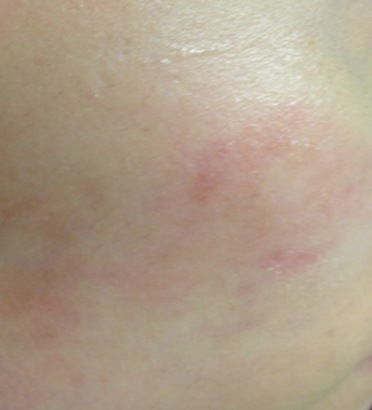
Drag to compare
Settling of a thickened, scaly plaque of lichen simplex chronicus over a knuckle after treatment.
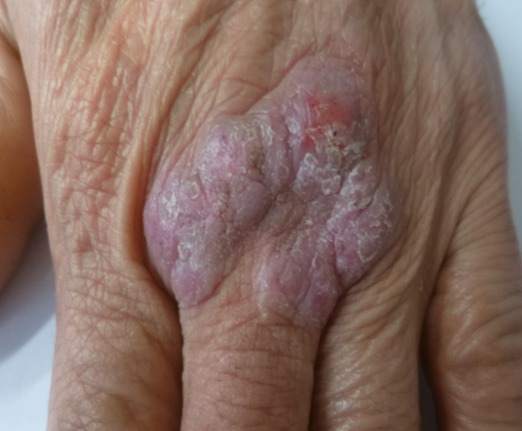
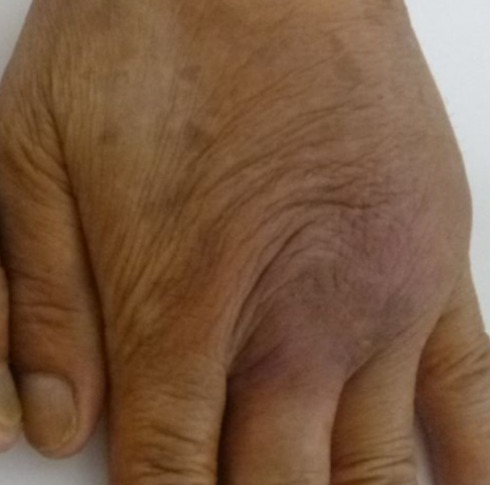
Drag to compare
The same thickened plaque over the knuckle photographed from a second angle, before and after treatment.
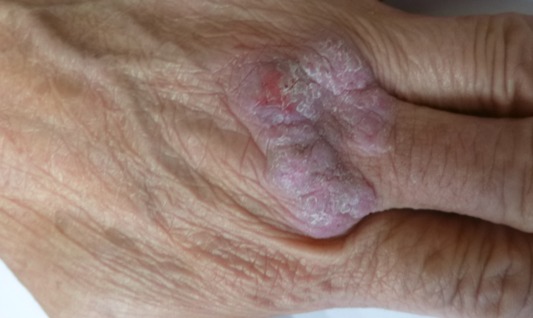
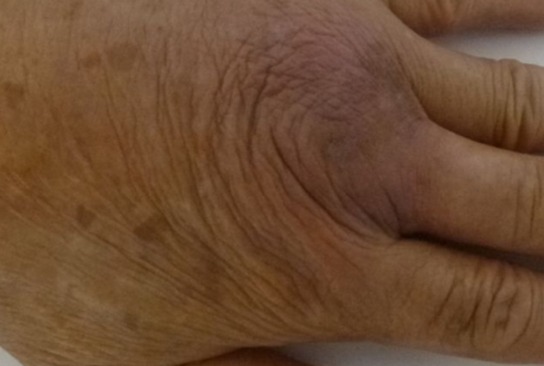
Drag to compare
Psoriasis affects 2–3% of the population, appearing as well-defined, red, scaly (but usually non-itchy) patches — most often on the elbows, knees and scalp, though it can affect the whole body, including the nails. Around 8% of patients also develop joint pain and swelling from associated psoriatic arthritis.
It results from an overactive immune system driving rapid skin cell turnover, and can be worsened by stress, skin injury and smoking.
Treatment is matched to severity and includes topical creams, ultraviolet light therapy (phototherapy), oral medications, and — for moderate-to-severe disease — the newer biologic therapies, an area of particular interest for Dr Tran.
Before & after
Clearing of extensive psoriasis of the trunk and arms following biologic therapy.
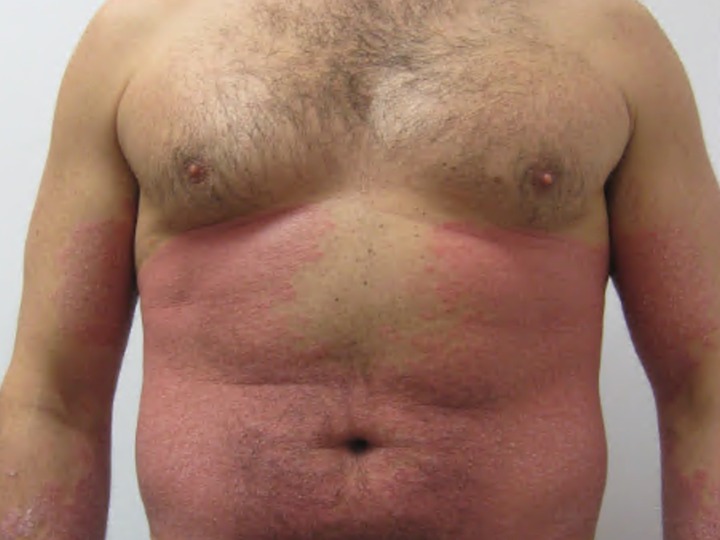
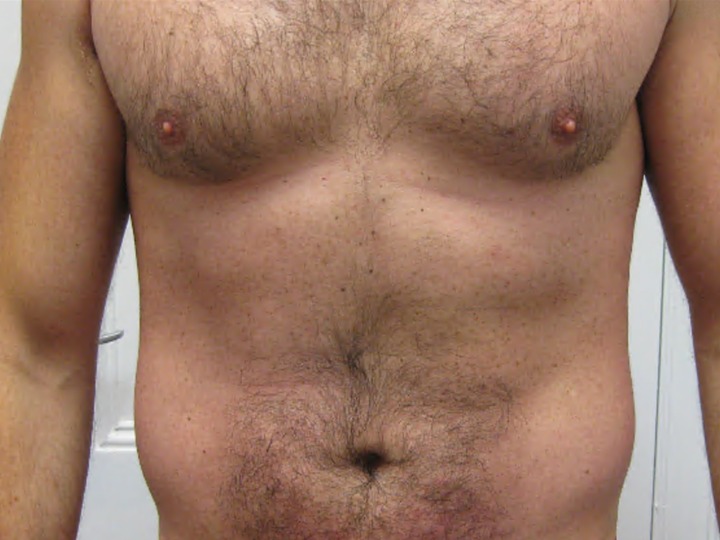
Drag to compare
Clearing of widespread psoriasis plaques on the arms and hands following biologic therapy.
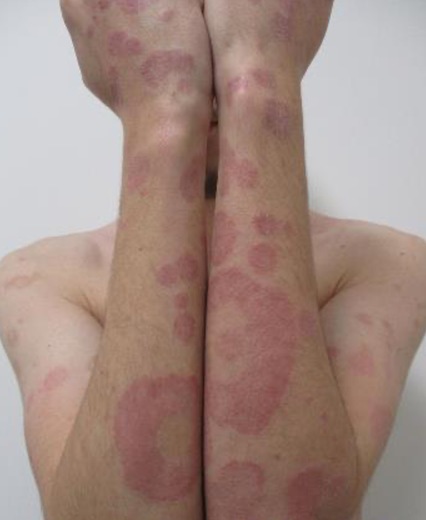
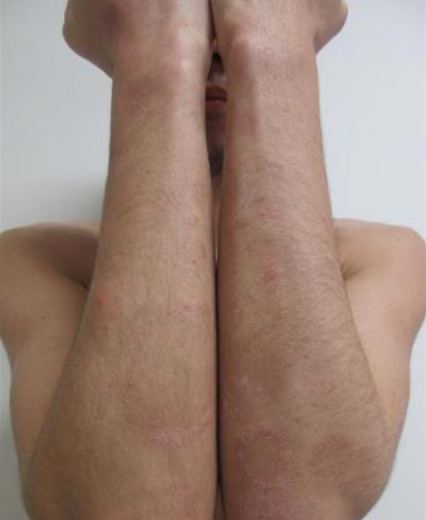
Drag to compare
Psoriasis of the back and arms before and after biologic therapy.
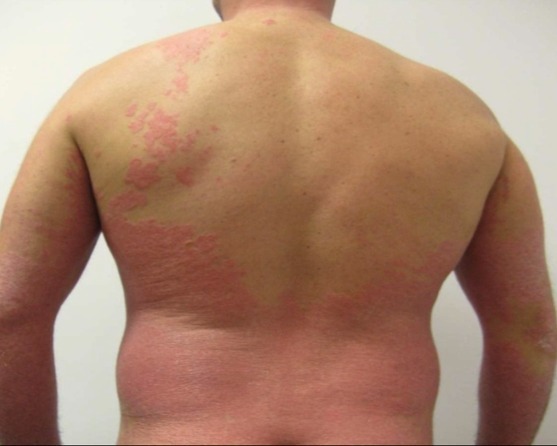
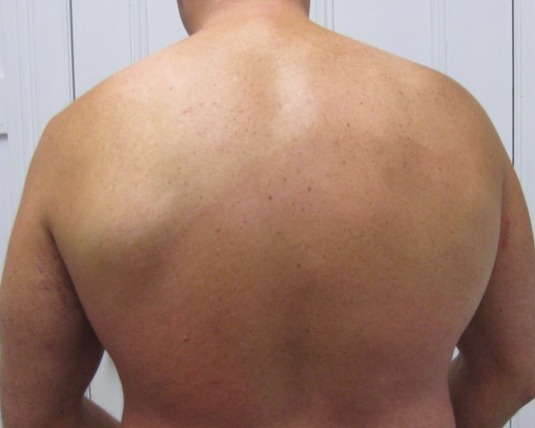
Drag to compare
It's normal to shed up to 100–150 hairs a day, but noticeable hair loss can have several distinct causes:
Hair loss can carry as much psychological impact as more visible skin conditions, and is assessed and managed with that in mind.
Before & after
Regrowth of beard hair across patches of alopecia areata after treatment.
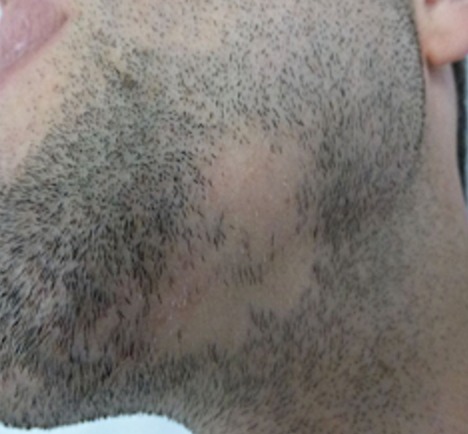
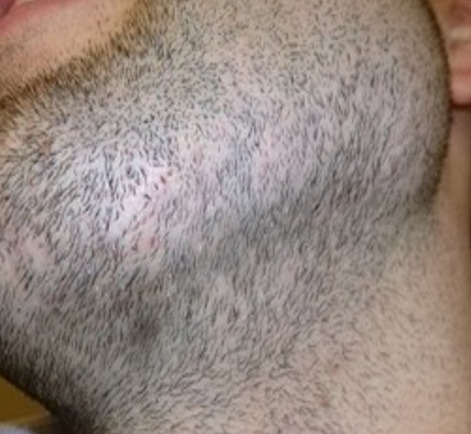
Drag to compare
Regrowth of hair across a patch of alopecia areata at the nape of the neck after treatment.
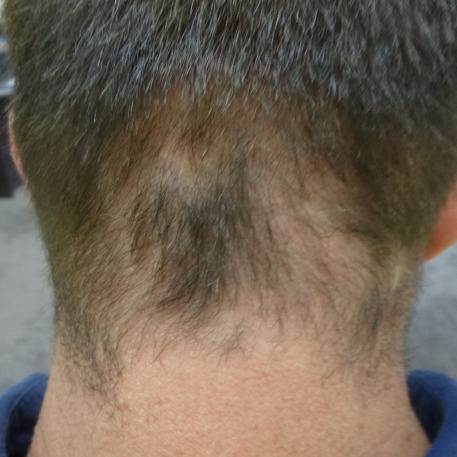
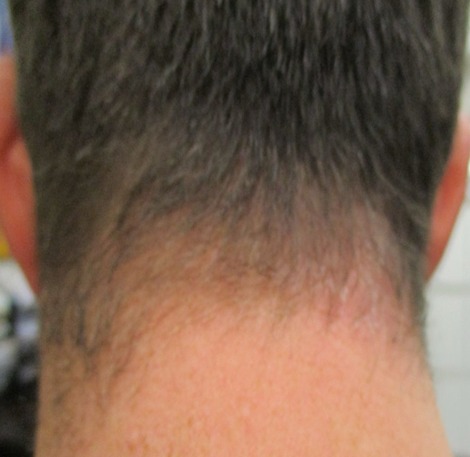
Drag to compare
Melanoma is the most dangerous form of skin cancer, arising when UV-related DNA damage causes pigment-producing cells (melanocytes) to multiply uncontrollably. It can develop from an existing mole or, in around 75% of cases, from otherwise normal-looking skin.
Risk is higher with fair skin that burns easily, a personal or strong family history of melanoma, many moles (particularly atypical ones), a history of significant sunburn, and immune suppression. When caught early, melanoma is almost always curable — which is why regular skin checks and self-examination matter.
The ABCDE rule is a useful guide to concerning changes in a mole: Asymmetry, irregular Border, uneven Colour, Diameter over 6mm, and Evolution (any change in size, shape or symptoms). Diagnosis is confirmed by excision biopsy, and treatment is primarily surgical, with the extent guided by how deeply the melanoma has grown.
Australia has the highest rate of skin cancer in the world — around two-thirds of Australians will develop one in their lifetime. Basal cell carcinoma (BCC) is the most common type: slow-growing, rarely spreading, and appearing as a pearly lump, scaly patch or non-healing sore, typically on sun-exposed skin.
Squamous cell carcinoma (SCC) grows faster and, uncommonly, can spread — usually presenting as a scaly or crusted lump, most often on the face, ears or hands. Both are highly treatable when caught early, with options including surgical excision, topical therapies, photodynamic therapy, Mohs micrographic surgery and radiotherapy depending on the case.
Regular skin checks are the most effective way to catch these early, particularly for anyone with fair skin, a history of sunburn, or significant sun exposure through outdoor work or recreation.
Conditions affecting pigmentation — including melasma, vitiligo, post-inflammatory pigmentation and keloid scarring — often present and respond to treatment differently depending on skin type. Dr Tran has particular depth of experience managing these conditions in Asian and darker skin, where diagnosis and treatment planning benefit from skin-type-specific expertise.
Vitiligo in particular can carry a significant psychological toll, especially for those with darker skin where the contrast is more visible — this is approached with both the medical and personal impact in mind.
Before & after
Vitiligo can cause significant negative psychological impact in certain cultures.
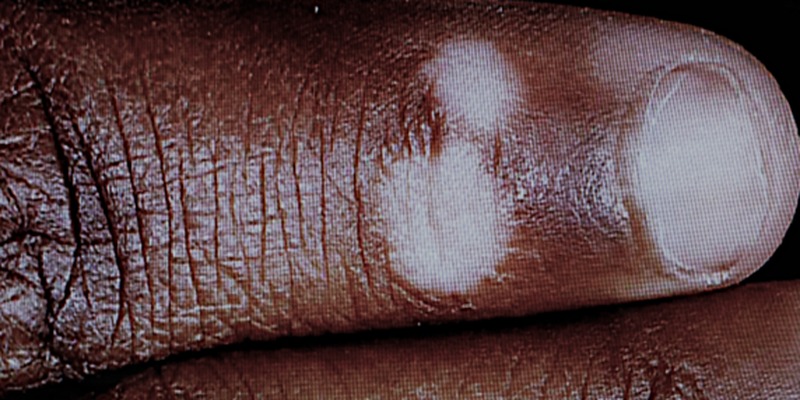
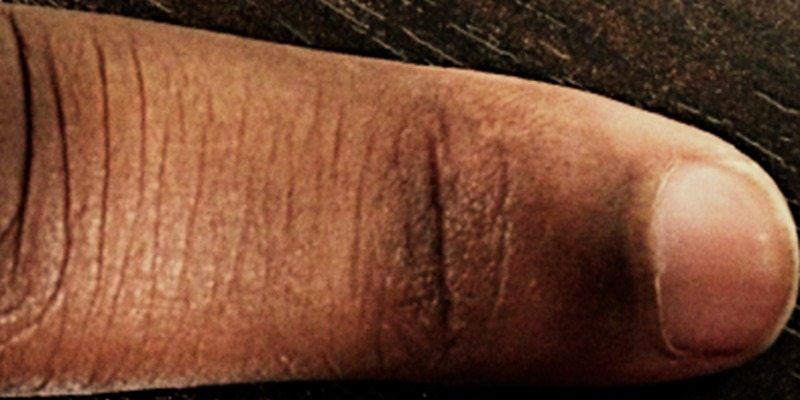
Drag to compare
Repigmentation of vitiligo patches on the upper back and neck after treatment.
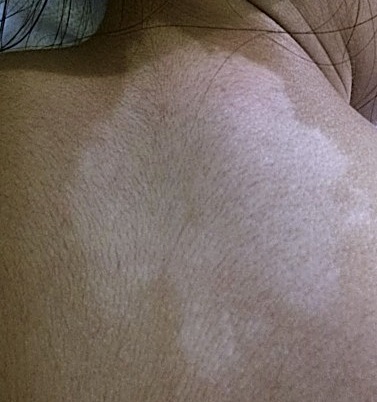
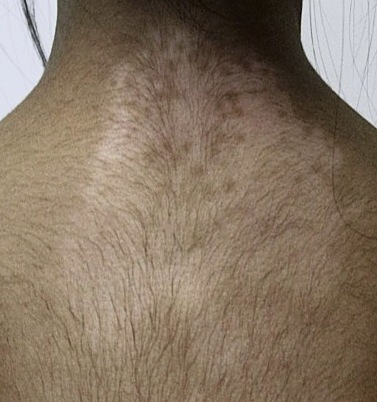
Drag to compare
Repigmentation of vitiligo around the eyebrow and eyelid after treatment.
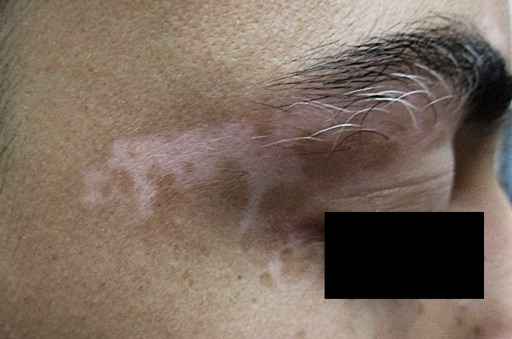
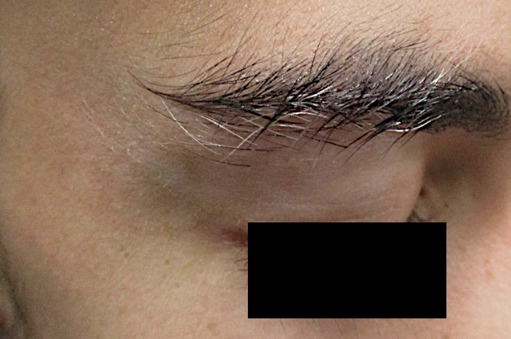
Drag to compare
Resolution of chest dermatitis and its postinflammatory hyperpigmentation following a course of dupilumab therapy.
Drag to compare
Fading of the dark marks (postinflammatory hyperpigmentation) left behind by acne on the cheek after treatment.
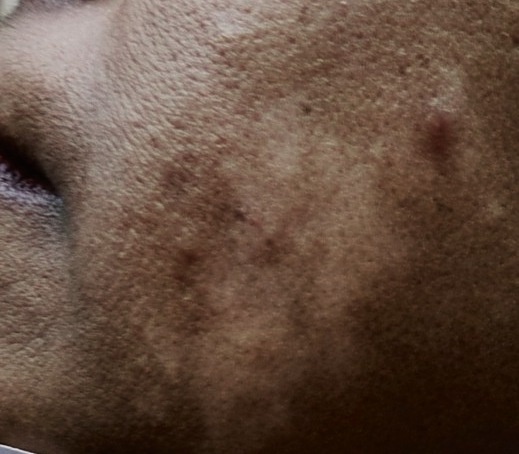
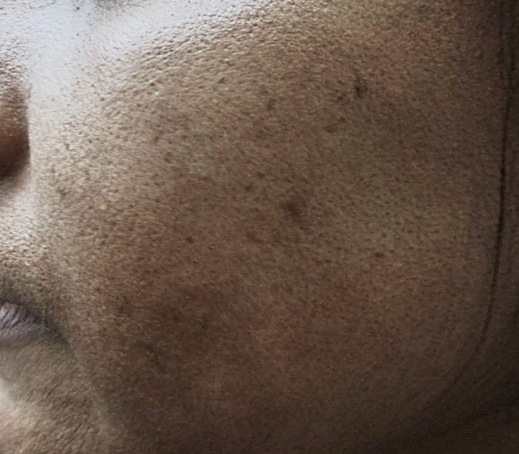
Drag to compare
This page is intended as general information and isn't a substitute for a professional assessment. If you're concerned about a mole, rash or any change in your skin, please book a consultation.